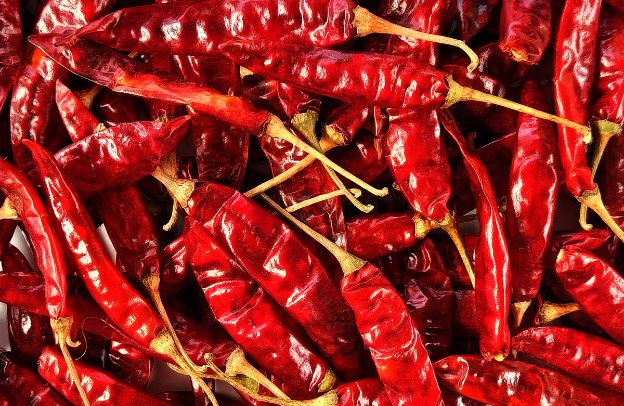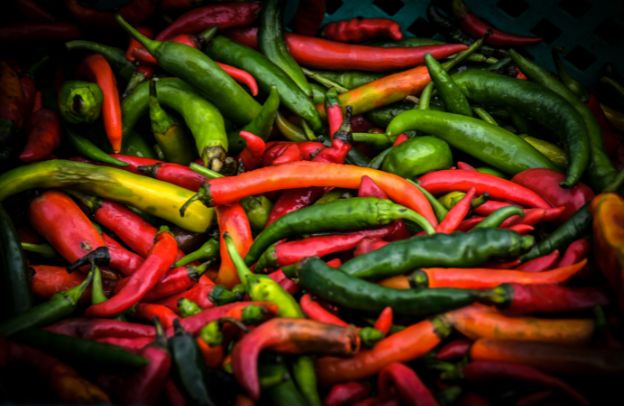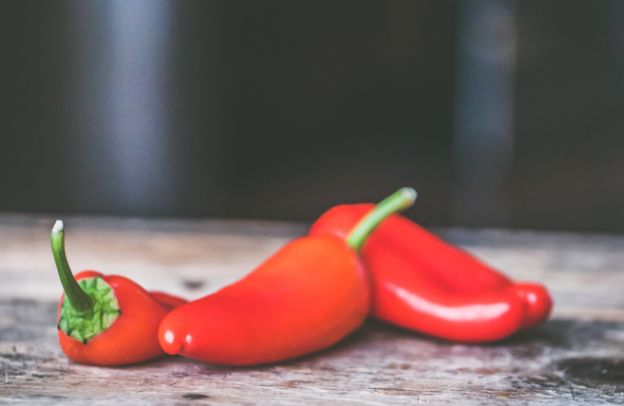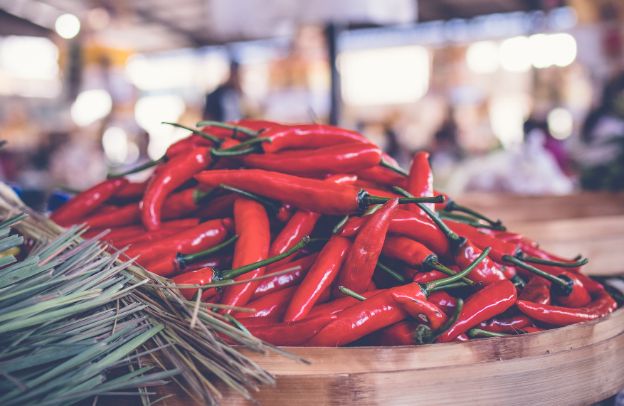
Think of a world without peppers—a place lacking their colorful punch, their fiery kick, and most importantly, their wealth of health benefits. Peppers, from bell varieties to the hottest chili types, are nutrient powerhouses that offer numerous benefits, from boosting immunity to supporting brain and heart health.
Whether you enjoy a mild poblano or an intense habanero, peppers can be a simple addition to a healthier diet.
The Nutritional Spectrum of Peppers
Peppers come in a broad array of colors and heat levels, and all pack impressive nutrients. They’re rich in vitamins A, C, E, and K, as well as potassium, calcium, and magnesium.
Capsaicin, the compound responsible for a pepper’s heat, has unique properties that can improve metabolism, reduce inflammation, and promote pain relief.
Bell peppers, known for their sweetness, are loaded with vitamin C, while chilies, rich in capsaicin, offer multiple benefits for metabolism and digestion.
Pepper and Immunity: The Power of Antioxidants
Peppers, especially red and orange varieties, are loaded with antioxidants like carotenoids and flavonoids, which are powerful for immune support. Vitamin C in peppers also enhances iron absorption and strengthens immunity by encouraging white blood cell production.
Research shows that antioxidants from peppers can help the body combat oxidative stress, slowing down cell aging and supporting healthier skin and organs.
These qualities make peppers a valuable asset in fighting illnesses and maintaining overall health.
Metabolic Boost and Weight Management
Capsaicin’s thermogenic effect can boost metabolism, which aids in calorie-burning and weight management. Studies suggest that consuming hot peppers may raise the metabolic rate and enhance fat oxidation, helping the body use more calories even at rest.
Capsaicin has also been shown to improve insulin sensitivity, which can be beneficial for those managing conditions like type 2 diabetes, aiding in better blood sugar regulation.
Gut Health and Digestion
Peppers don’t just add flavor—they also contribute to a balanced gut. Capsaicin is believed to influence the gut microbiome positively by increasing the production of mucus, which protects the stomach lining and aids in digestion.
For some, peppers also stimulate the production of digestive enzymes, assisting in nutrient absorption and promoting a healthier gut ecosystem.
Furthermore, studies indicate that capsaicin can reduce the risk of gastrointestinal disorders and improve gut health by stimulating certain pathways associated with healing.
Heart Health: The Circulatory Benefits
Capsaicin in peppers supports heart health by helping to regulate blood pressure, cholesterol levels, and inflammation in blood vessels.
Research indicates that capsaicin activates the TRPV1 receptor in the body, which is known to regulate blood pressure and protect blood vessels from damage. Consuming hot peppers has been linked to a reduced risk of heart disease and a lower likelihood of mortality from cardiovascular conditions.
Pain Relief and Inflammation Reduction
Peppers also provide natural pain relief. Capsaicin blocks pain signals to the brain by depleting the neurotransmitter responsible for sending pain signals. This makes it an effective ingredient in topical pain relievers for conditions like arthritis or neuropathy.
Additionally, because capsaicin reduces inflammation, it may alleviate symptoms of chronic inflammatory diseases and potentially slow the progression of neurodegenerative conditions such as Alzheimer’s and Parkinson’s.
Longevity and Cancer Prevention
Perhaps one of the most exciting findings is the connection between capsaicin and cancer prevention. Studies suggest that capsaicin may inhibit the growth of certain cancer cells by triggering programmed cell death and activating tumor-suppressing genes.
Some researchers are optimistic about capsaicin’s potential in cancer therapies, though more research is needed. In addition, regular consumption of spicy foods has been linked to a reduced risk of all-cause mortality, offering hope for a longer, healthier life.
In Conclusion: Adding Peppers to Your Diet
Incorporating peppers into your meals can be as simple as adding diced bell peppers to salads, cooking with chili peppers in stews, or using dried chili flakes as a spice.
Given their nutritional profile and health benefits, peppers offer a rich way to enhance both flavor and health.