There’s a reason pepper has been a staple in kitchens for centuries. Across the world, people love its bold flavors, and increasingly, they’re recognizing its powerful health benefits. You might sprinkle black pepper on pasta or add a dash of cayenne to the soup without giving it a second thought, but did you know that peppers, from bell to habanero, are packed with properties that go well beyond taste?
Pepper isn’t just a seasoning; it’s a potent health booster that can support your metabolism, heart health, and immunity. In this article, we’ll explore the scientific reasons why adding more pepper to your diet can transform your health.
The Science Behind Pepper’s Health Benefits
Pepper may seem simple, but beneath its spicy surface lies an impressive nutritional profile. Black pepper, cayenne, and bell peppers, among others, contain a variety of vitamins, minerals, and antioxidants that benefit your body from the inside out.
Black pepper is rich in piperine, a compound that’s not only responsible for its sharp flavor but also known to improve nutrient absorption in the body, especially when paired with other powerful ingredients like turmeric.
A 2020 study highlighted how piperine can increase the bioavailability of curcumin by up to 2,000%, making your dishes more nutritious with just a sprinkle.
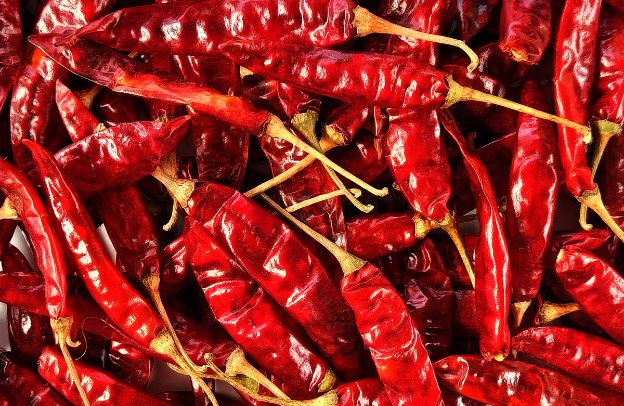
In hot peppers, capsaicin is the active compound that brings the heat and the health benefits. Found primarily in chili peppers, capsaicin has been shown to stimulate your body’s metabolism, support weight loss, and even help with pain relief.
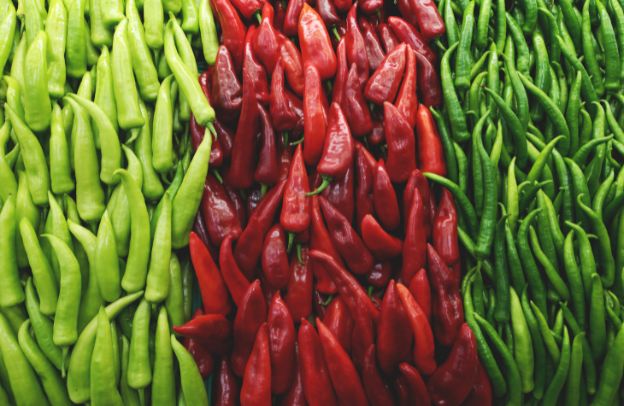
According to the American Heart Association, capsaicin may play a role in cardiovascular health by helping manage blood pressure and promoting better blood flow. Bell peppers, while not spicy, are packed with vitamin C, offering an immune boost with every bite.
Boosting Metabolism and Aiding Weight Management
If you are looking to boost your metabolism naturally, adding pepper to your diet is a simple yet powerful solution. Capsaicin in hot peppers has thermogenic properties, meaning it can increase the body’s heat production and help burn more calories.
Research published in the American Journal of Clinical Nutrition showed that capsaicin consumption can increase energy expenditure, helping support weight management efforts when combined with a balanced diet and exercise.
Pepper can also help reduce appetite, making it a valuable tool for portion control. Studies show that people who consume capsaicin tend to feel fuller faster, which may reduce their overall caloric intake.
Imagine adding a dash of cayenne pepper to your morning smoothie or sprinkling some crushed red pepper on your salad—it might be all you need to curb those mid-morning cravings and stay energized throughout the day.
Heart Health: Improving Circulation and Lowering Blood Pressure
Pepper can do wonders for your heart, too. Both black and chili peppers contain compounds that may reduce blood pressure. Piperine in black pepper is known for its anti-inflammatory properties, which can benefit your cardiovascular system by reducing stress on blood vessels.
Additionally, capsaicin in chili peppers has been shown to dilate blood vessels, improving blood flow and potentially reducing the risk of hypertension.
When you add peppers to your meals, you’re also helping your body maintain a healthy cholesterol balance. Studies indicate that piperine can increase the levels of good HDL cholesterol while helping lower bad LDL cholesterol. And the best part?
The effects aren’t limited to people with high cholesterol levels—even those with normal cholesterol can benefit from the heart-healthy properties of pepper. It’s a natural, flavorful way to show your heart some love.
Enhancing Digestion and Gut Health
Ever wondered why pepper is often a primary seasoning in so many cuisines? Beyond its flavor-enhancing qualities, pepper stimulates the digestive system and can make meals easier to digest.
Black pepper, for example, triggers the release of gastric juices, speeding up digestion and reducing bloating and gas. According to a review published in Gastroenterology Research and Practice, piperine stimulates digestive enzymes, making it easier for your body to break down food efficiently.
Certain peppers, like bell peppers, are also rich in dietary fiber, which plays a key role in gut health. Fiber acts as a prebiotic, feeding the good bacteria in your gut and helping to maintain a healthy microbiome.
This can lead to improved digestion, better immune function, and even improved mood. Adding peppers to your meals is a simple way to keep your digestive system in check and maintain gut health.
Boosting Immunity with Antioxidants
In a world where maintaining a strong immune system is more important than ever, peppers can be an unexpected ally. Red bell peppers, in particular, contain high levels of vitamin C—more than twice the amount found in citrus fruits per gram.
Vitamin C is essential for immune function, supporting the production of white blood cells and helping your body fight off infections. In addition to vitamin C, peppers contain other antioxidants that protect cells from damage, helping to reduce inflammation and ward off chronic diseases.
Capsaicin also boasts antimicrobial properties, which means it may help your body fight off infections naturally. Whether you’re battling a cold or looking to prevent one, adding a little spice to your meals could be the extra boost your immune system needs.
Protecting Brain Health and Enhancing Mood
Your brain, too, can benefit from the compounds in pepper. Piperine has been shown to have neuroprotective properties, which may help in reducing the risk of cognitive decline associated with aging. In animal studies, piperine was found to improve memory retention, which suggests it could be beneficial for supporting long-term brain health.
Capsaicin also plays a role in enhancing mood by stimulating the release of dopamine and serotonin, two neurotransmitters known for promoting feelings of well-being and reducing stress.
Think of that gentle, warming sensation you feel when eating something spicy—it’s not just physical. Studies suggest that regular capsaicin intake might help elevate mood and could even be beneficial in managing stress-related conditions, like mild depression.
Skin Health: How Pepper’s Nutrients Enhance Appearance
Peppers are rich in vitamins A and C, two essential nutrients for healthy skin. Vitamin C helps stimulate collagen production, keeping your skin firm and youthful, while vitamin A can reduce inflammation and protect against damage from environmental factors like UV rays.
According to dermatology research, antioxidants like those found in peppers can help delay signs of aging by neutralizing free radicals.
Moreover, the antibacterial properties of capsaicin can help combat acne-causing bacteria, making it a natural addition to your skincare routine—at least from the inside out. Adding more bell and chili peppers to your diet might even give you that glowing, clear complexion you’re after.
Conclusion: Bringing Pepper Into Your Diet
Ready to spice things up? Including more pepper in your daily meals can be as simple as using a pepper mill at the table, adding fresh bell peppers to your salads, or even sprinkling a bit of cayenne into soups and stews.
You don’t need a lot to start reaping the benefits—just a dash here and there could make a big difference. Remember, though, that moderation is key, as large amounts of pepper might cause digestive irritation, especially if you’re sensitive to spicy foods.
With its unique combination of health benefits, pepper is a small addition to your diet that can have a powerful impact. So next time you reach for the salt, add a little pepper, too. Your body—and your taste buds—will thank you.