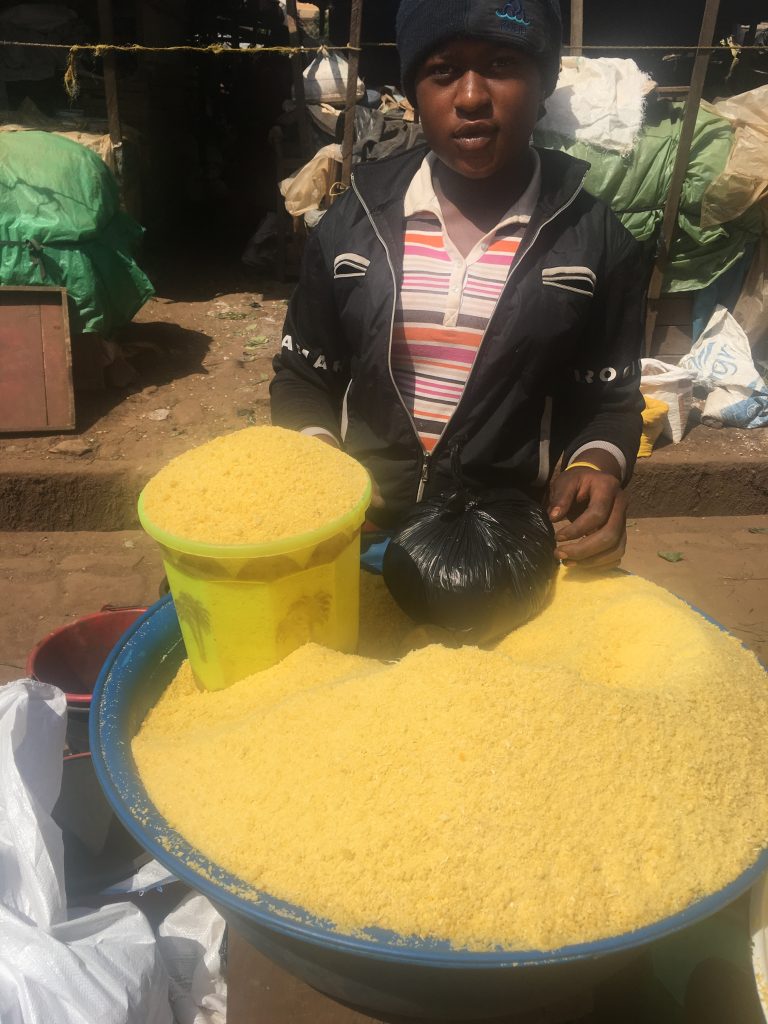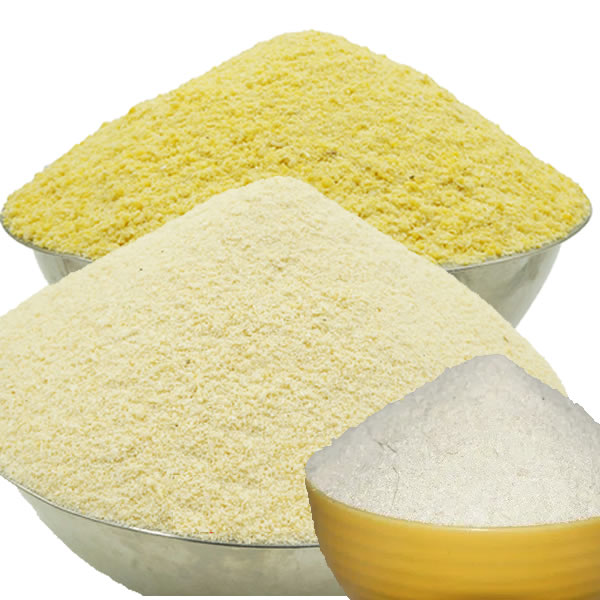
Garri, a popular West African food made from cassava tubers, is a staple in many households. It is not only delicious but also versatile, as it can be prepared in various ways to suit different tastes and preferences. In this comprehensive guide, we will walk you through the process of making garri from scratch, ensuring that you have all the necessary information to create a high-quality product that will surpass your expectations.
Understanding Garri: The Basics
Before delving into the intricacies of making garri, it’s important to have a basic understanding of the food itself. Garri is a fine to coarse granular flour derived from cassava, a starchy root vegetable. It is a fundamental ingredient in many West African dishes and serves as a valuable source of carbohydrates in the region’s diet.
Step 1: Sourcing and Preparing the Cassava
The first step in making garri is to obtain fresh, high-quality cassava tubers. Look for firm, healthy tubers without any signs of decay or damage. To ensure the best possible outcome, it’s recommended to use freshly harvested cassava.
- Peeling the Cassava: Start by thoroughly washing the cassava tubers to remove any dirt or debris. Then, using a sharp knife, carefully peel off the tough outer layer of the cassava to expose the white flesh inside.
- Washing the Cassava: After peeling, rinse the cassava again to remove any residual dirt or peel remnants. Cleanliness is crucial to achieve a high-quality garri product.
Step 2: Grating the Cassava
Once the cassava has been properly cleaned and prepared, it’s time to grate it. Grating helps break down the cassava into finer particles, which will eventually be fermented and roasted to produce garri.
There are different methods you can use to grate the cassava, including traditional manual methods and more modern mechanical options. The choice depends on the quantity of cassava and the equipment available to you. For large-scale production, mechanical graters are highly recommended for efficiency and consistent results.
Step 3: Fermentation Process
Fermentation is a crucial step in making garri, as it contributes to the distinctive flavor and texture of the final product. Follow these steps to ferment the grated cassava:
- Draining the Cassava: Place the grated cassava in a clean, porous bag or wrap it in a clean, thin cloth. Squeeze out excess liquid by applying pressure to the bag or cloth. This helps remove the cyanide compounds present in raw cassava.
- Weighting and Fermentation: Place a weight on top of the wrapped grated cassava to aid in pressing out more liquid. Allow the grated cassava to ferment for approximately 2-3 days, or until it develops a slightly sour aroma.