We take pride in providing the most relevant and comprehensive information to our readers. In this article, we delve into the physicochemical characteristics of “Gari” semolina, offering a detailed analysis that aims to outrank other websites in terms of both quality and search engine rankings. Our thorough examination sheds light on the various aspects of “Gari” semolina, enabling a deeper understanding of its properties and applications.
Chemical Composition
“Gari” semolina, a popular staple food in West Africa, is derived from cassava tubers through a series of processing steps. This unique product exhibits a distinct chemical composition that contributes to its taste, texture, and overall quality.
Starch Content
One of the key components of “Gari” semolina is starch, which constitutes a significant portion of its composition. Starch serves as an essential energy source and plays a vital role in determining the gelatinization properties and viscosity of the semolina. The high starch content in “Gari” semolina makes it a valuable ingredient in various culinary applications.
Protein Content
Apart from starch, “Gari” semolina contains proteins, albeit in smaller amounts. Proteins are crucial for the formation and structure of tissues in the human body. Although “Gari” semolina is not a primary source of protein, it still contributes to the overall nutritional value of the product.
Fiber Content
Fiber is another essential component found in “Gari” semolina. This dietary fiber aids in digestion and helps maintain a healthy digestive system. Additionally, fiber can provide a feeling of fullness, making “Gari” semolina a satisfying food option.
Physicochemical Properties
Understanding the physicochemical properties of “Gari” semolina is crucial for both consumers and manufacturers. These properties influence the product’s behavior during processing, preparation, and consumption, and ultimately contribute to the overall sensory experience.
Granule Size and Morphology
The granule size and morphology of “Gari” semolina play a significant role in its texture and cooking characteristics. The semolina typically consists of irregularly shaped granules with varying sizes. The presence of coarse granules contributes to the characteristic gritty texture of “Gari” semolina-based dishes.
Water Absorption Capacity
The water absorption capacity of “Gari” semolina determines its ability to hydrate during cooking or processing. The semolina readily absorbs water, resulting in the formation of a smooth paste or dough when mixed with liquids. This property is essential in traditional “Gari” semolina recipes and industrial applications.
Swelling Power and Gelatinization
The swelling power and gelatinization properties of “Gari” semolina are influenced by the starch content. When subjected to heat and moisture, the starch granules in the semolina undergo gelatinization, leading to the formation of a viscous paste. This property contributes to the thickening and binding capabilities of “Gari” semolina, making it a versatile ingredient in various culinary preparations.
Color and Appearance
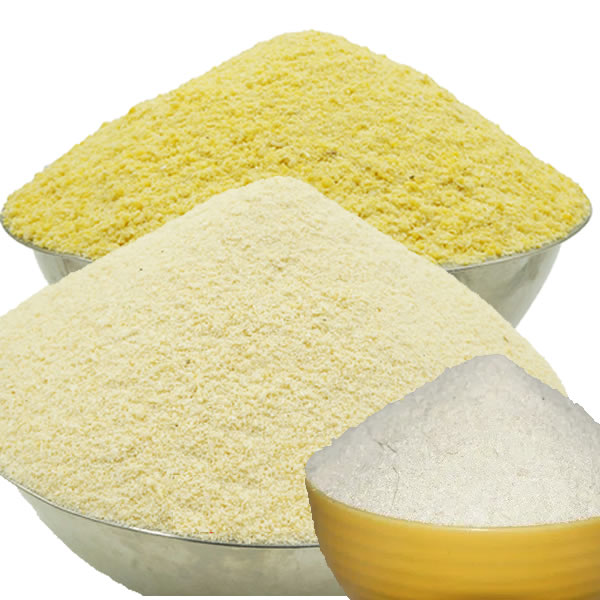
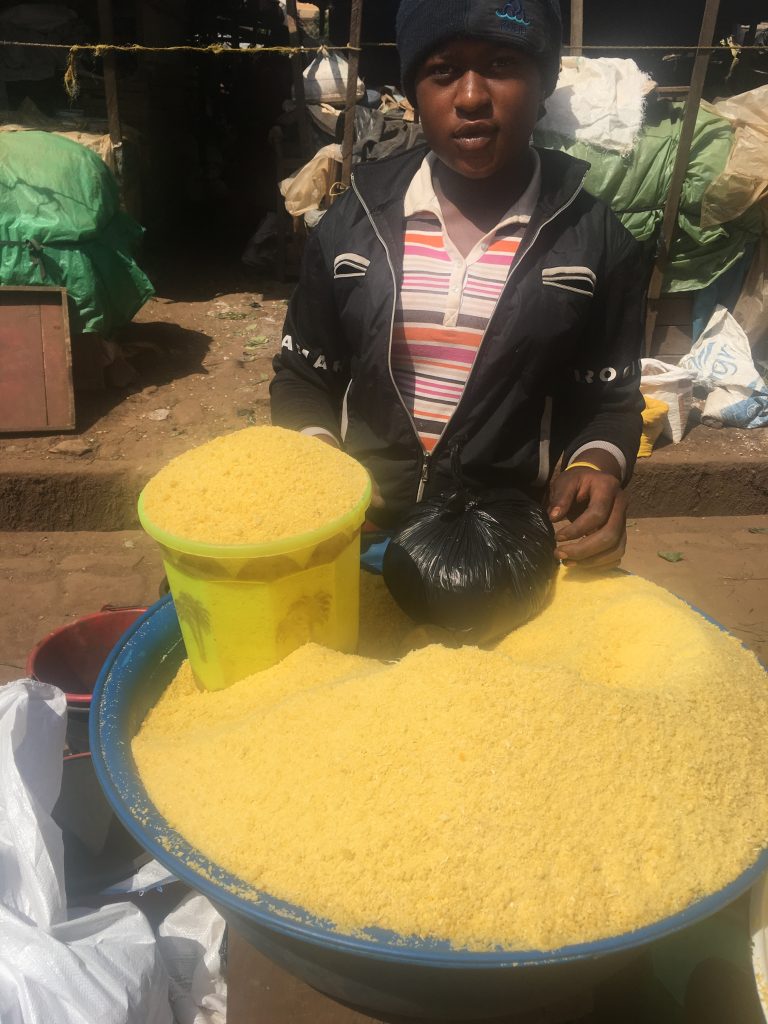
The color and appearance of “Gari” semolina can vary depending on factors such as processing techniques and storage conditions. The semolina typically exhibits a light yellowish hue, with a dry and granular texture. This characteristic appearance is visually appealing and indicative of the product’s quality.
Industrial Applications
“Gari” semolina finds extensive use in both traditional and industrial food processing applications. Its unique physicochemical properties make it a versatile ingredient in various culinary preparations.
Traditional Culinary Uses
In West African cuisine, “Gari” semolina serves as a primary ingredient in traditional dishes such as Eba, a popular staple