Are you looking for a natural way to boost your heart health? Sometimes the answer lies in the spice rack rather than a supplement bottle. Pepper, with its powerful compounds and unmistakable kick, may offer a range of benefits that can support cardiovascular wellness in ways you might not expect.
As one of the world’s most popular spices, pepper has long been cherished for its flavor, but growing research reveals that its benefits go well beyond adding heat.
From supporting healthy blood pressure to reducing cholesterol, pepper’s impact on heart health could make it an unexpected ally in your journey to a healthier life.
Unpacking the Nutritional Profile of Pepper: Why It Matters for Your Heart
When it comes to heart health, the nutrients in pepper hold serious potential. Peppers are rich in capsaicin, the compound responsible for their signature spiciness, as well as antioxidants like vitamins C and E.
Capsaicin isn’t just about adding a kick to your meal; research shows it has anti-inflammatory properties that can support blood vessel function and help maintain a healthy heart.
In addition to capsaicin, peppers also offer minerals like potassium and magnesium, which are known to support heart health by helping regulate blood pressure and promoting a regular heartbeat.
According to a study published in the American Journal of Clinical Nutrition, diets high in potassium can reduce the risk of heart disease by countering sodium’s effects on blood pressure, a major factor in heart health.
So, next time you sprinkle black pepper on a salad or add a bit of chili powder to your soup, you are not only enhancing flavor but also making a small, flavorful step toward a healthier heart.
Capsaicin and Cardiovascular Health: The ‘Heat’ Compound with Heart-Boosting Potential
Capsaicin has garnered attention in medical research due to its potential effects on blood pressure and circulation. Several studies suggest that capsaicin can improve blood flow by prompting blood vessels to relax and expand, making it easier for blood to circulate.
Imagine: with each spicy bite, capsaicin is working behind the scenes, helping your blood vessels maintain their flexibility, which in turn can lower the risk of high blood pressure. Now here are three benefits for your consideration:
Benefits of Capsaicin for Cardiovascular Health
Capsaicin offers several heart health benefits primarily due to its anti-inflammatory properties. By helping to reduce inflammation in the body, capsaicin plays a crucial role in maintaining cardiovascular health and preventing heart disease.
Additionally, it has been shown to improve cholesterol levels by increasing HDL cholesterol, the “good” cholesterol that protects against heart disease by removing excess cholesterol from the bloodstream.
Research also indicates that capsaicin can significantly lower various risk factors associated with heart disease, particularly in individuals who have low HDL cholesterol levels.
Key Findings from Research on Capsaicin
A notable 3-month study provided valuable insights into the long-term effects of capsaicin on cardiovascular health. This research specifically targeted adults with low HDL cholesterol, making it particularly relevant for understanding how capsaicin can benefit at-risk populations.
The results revealed that participants experienced a significant reduction in several cardiovascular risk factors, suggesting that incorporating capsaicin into one’s diet may be an effective strategy for enhancing heart health.
Mechanisms of Action for Capsaicin
Capsaicin’s mechanisms of action contribute to its cardiovascular benefits in several ways. First, it may inhibit specific inflammatory pathways, which helps prevent chronic conditions that can adversely affect heart health.
Also, capsaicin supports cholesterol regulation by promoting an increase in HDL cholesterol levels, leading to improved overall lipid profiles.
Through its multifaceted effects on inflammation and cholesterol, capsaicin plays an important role in supporting better cardiovascular health outcomes and reducing the risk of heart disease.
Fighting Cholesterol and Triglycerides: How Pepper Can Help
In one animal study published in the Journal of Agricultural and Food Chemistry, researchers found that capsaicin reduced cholesterol levels in mice on a high-cholesterol diet by preventing cholesterol from being absorbed in the blood.
While more research is needed to fully understand these effects in humans, the idea that pepper might help keep cholesterol in check is exciting for those looking to take a natural approach.
Balancing cholesterol levels is essential for heart health, and adding a bit more spice to your meals could be an easy way to support these efforts.
Antioxidants in Peppers: Protecting Your Heart at the Cellular Level
Heart disease often begins at the cellular level, where oxidative stress—a process caused by an imbalance of free radicals—damages cells and tissues, including those in the heart and blood vessels.
Antioxidants found in peppers, especially vitamins C and A, act as a shield, reducing oxidative stress and supporting cellular repair.
One notable study published in Circulation, a journal of the American Heart Association, found that diets high in antioxidant-rich fruits and vegetables could reduce the risk of heart disease by as much as 20%.
By including peppers regularly in your diet, you are tapping into a powerful source of antioxidants that may protect your heart from oxidative stress.
Bell peppers, in particular, are a sweet, mild option that offers high levels of vitamins C and A without the intense heat of chili peppers.
Different Peppers, Different Benefits: Finding the Best Pepper for Your Heart
Not all peppers are created equal—each type has unique benefits, so exploring a variety can help you make the most of pepper’s heart-health potential. Black pepper, for example, is rich in piperine, a compound with antioxidant properties.
Studies have suggested that piperine can increase nutrient absorption, potentially boosting the effectiveness of the other nutrients in your diet.
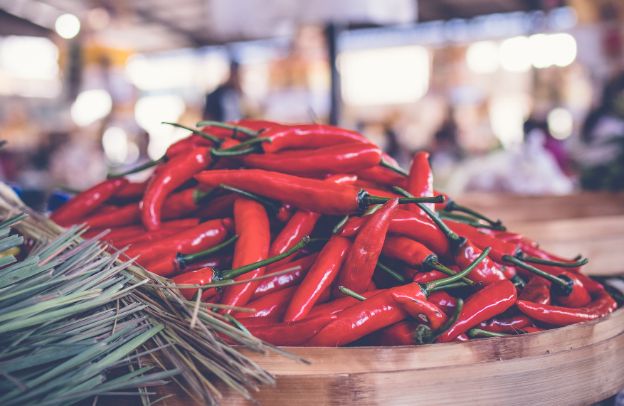
For those who enjoy a bit more spice, chili peppers are a fantastic choice. High in capsaicin, they can provide the added benefits of improved circulation and even some mild pain relief.
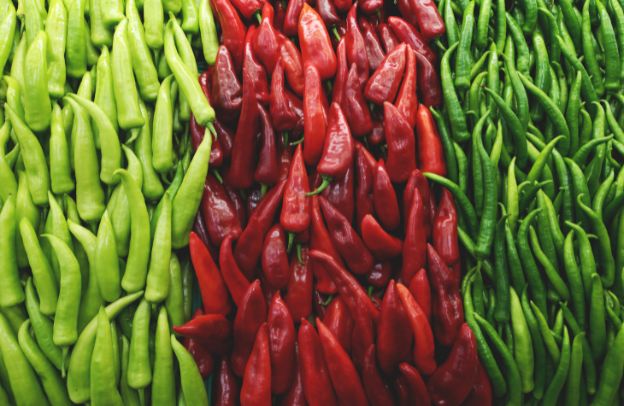
Meanwhile, bell peppers, though milder, are loaded with vitamins and can be a good source of fiber, helping to reduce overall cholesterol levels. By including a range of peppers in your diet, you’re diversifying your nutrient intake and maximizing the benefits for your heart.
Beyond the Health Benefits: Simple and Delicious Ways to Add More Pepper to Your Diet
Adding pepper to your diet doesn’t have to mean scorching heat with every bite. There are many ways to enjoy pepper’s benefits without overwhelming your taste buds.
For example, try incorporating bell peppers into salads or roasted vegetable mixes. Their mild sweetness pairs well with heart-healthy ingredients like avocados, nuts, and olive oil, creating a balanced meal rich in fiber and healthy fats.
For those who enjoy a bit more spice, a dash of chili powder or crushed red pepper flakes can go a long way in soups, sauces, or marinades. Or, for a classic touch, black pepper is an excellent addition to nearly any dish.
Ground black pepper enhances the flavors of everything from eggs to pasta, and it’s a simple way to increase the spice in your diet without overwhelming your palate. Not only will these additions make your food more flavorful, but they’ll also contribute to a heart-friendly lifestyle with minimal effort.
Embracing the Spice for a Healthier Heart
The benefits of pepper for heart health are multifaceted and backed by a growing body of research. From reducing blood pressure and cholesterol levels to providing powerful antioxidants, peppers are more than just a flavorful addition to your meals—they’re a proactive way to support cardiovascular health.
Remember, though, that pepper is a complementary part of a heart-healthy diet. While it offers potential benefits, balancing your diet with whole grains, lean proteins, and plenty of fruits and vegetables is crucial for overall wellness.
So, next time you reach for that pepper shaker, know that you’re doing more than just spicing up your food. You’re embracing a heart-healthy choice that could support your cardiovascular health for years to come.
Whether you prefer the mild taste of bell peppers or the fiery kick of chili peppers, making pepper a regular part of your meals could be one of the simplest and most flavorful ways to care for your heart.